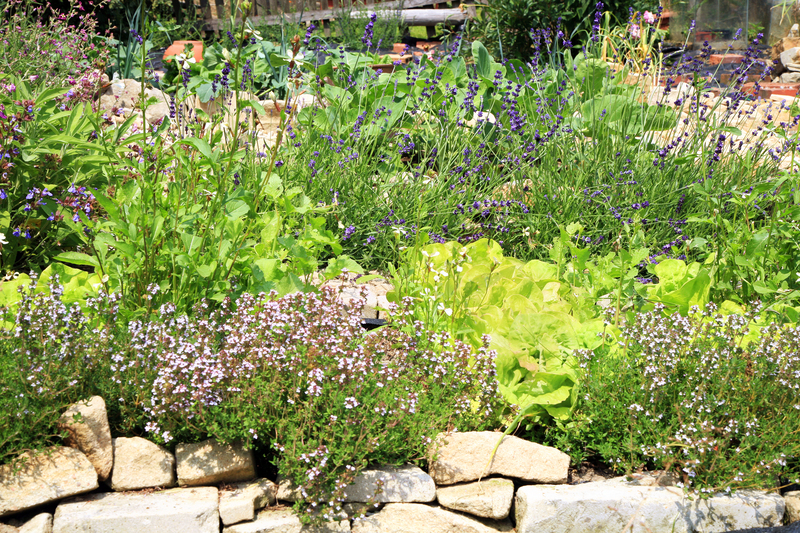
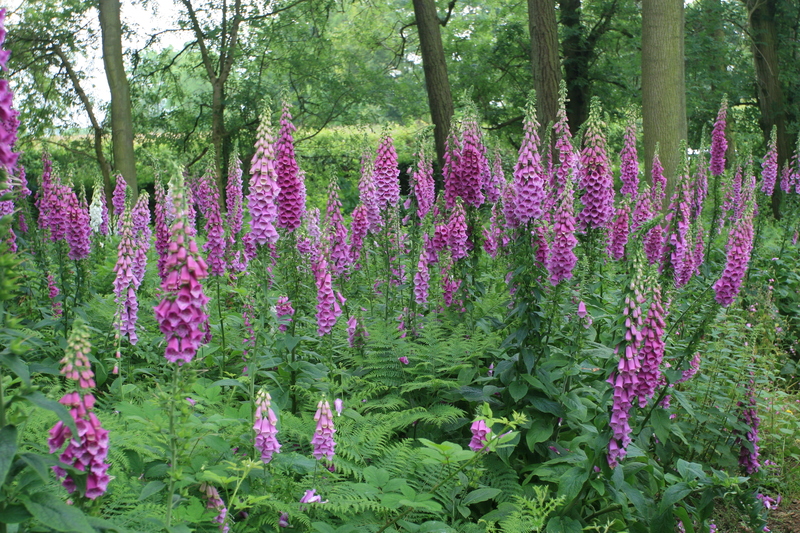
Landscaping Services in London

We provide landscaping services in London for homes and businesses that need practical outdoor work carried out with care and a clear plan. Our focus is on shaping usable gardens, improving tired spaces and delivering the kind of finish that makes everyday maintenance easier. Whether you are looking at a full redesign, a refresh of existing features or a smaller improvement to one part of the garden, the service can be built around the site and the brief.
Landscaping work often combines several tasks rather than one isolated job. That may include new turf, paving, fencing, decking, planting, clearing and preparation before the final surface or feature goes in. We keep the approach straightforward: assess the space, agree the practical scope, carry out the work in a sensible order and leave the area ready for normal use. Good landscaping should look intentional, not improvised, and should suit the way the property is actually used.
If you already have a clear idea of the changes you want, a short note with the site size and the key features you want to keep can help shape the next step. If you are still deciding, it is often enough to say whether the priority is appearance, low maintenance, better access or a more defined layout. Take a look through the main services below, then ask for a quotation when you are ready.
Garden landscaping and layout changes
Garden landscaping can transform a plot from a collection of separate parts into a space with a clear structure. That may mean reworking borders, creating paths, improving lawn areas, defining seating spots or making access points easier to use. A well-planned layout gives each part of the garden a purpose, while also making future maintenance more manageable. The work is especially useful where the existing arrangement feels cramped, uneven or difficult to navigate.
We can also support projects that need a more considered balance between hard and soft features. For some gardens, the main aim is to introduce level changes or clearer edges; for others, it is to create a cleaner visual rhythm between planting, fencing and paved areas. If you want to compare related options, the landscaping page gives a broad view of the core service, while the landscape gardening page is a useful starting point for work that leans more towards planting, shaping and general outdoor improvement.
When a project involves several elements, it helps to think about order and access. The usual approach is to complete groundwork before finishing surfaces and to make sure edges, levels and drainage considerations are settled early. For larger changes, it is often sensible to group the job into sections so that each stage is completed properly rather than rushed. Start with the outcome you want, then build the work around what the site needs.
Hard landscaping, paths and practical surfaces

Hard landscaping covers the built parts of an outdoor space: patios, paths, edging, stepping areas, retaining features and other fixed surfaces that give the garden shape. These elements need to do more than look neat. They should suit the way people move through the space, stand up to regular use and sit comfortably alongside planting and lawn areas. A thoughtful hard landscaping plan can solve awkward corners, improve circulation and make the garden easier to maintain.
Different surfaces suit different uses, and the best choice often depends on size, access and how formal the finished garden should feel. A path that is too narrow or poorly placed can make a garden harder to use, while a patio that is correctly sized and positioned can anchor the whole layout. For customers comparing service areas, services overview gives a broader picture of the work available, and patio cleaning services is relevant where an existing paved area needs bringing back into better condition before or alongside landscaping improvements.
We keep hard landscaping decisions grounded in use, not just appearance. In practice that means thinking about level changes, edge definition, surface material and how the feature fits the rest of the site. Good hard landscaping feels built in to the garden rather than added at the last minute. If you need a cleaner route to the shed, a better spot for outdoor seating or a more robust surface near a busy entrance, this part of the service is often central to the result.
Fencing, boundaries and garden structure
Fencing is one of the most important parts of a garden because it gives the space boundaries, privacy and a visual frame. In landscaping work, new fencing or replacement fencing is often planned alongside other changes so that the whole outdoor area feels coherent. The right fence can help divide practical areas, shelter planting and reduce the unfinished look that older boundary lines can leave behind.
We offer related boundary work where it supports the wider garden plan, including garden fencing, garden fence installation and garden fence replacement. These pages are useful if you need to compare options around new panels, replacement sections or a more general fencing update. If the work includes a full tidy-up before fencing goes in, the garden clearance page is also relevant because unwanted growth, debris or leftover materials can affect access and the accuracy of the finished line.
When fencing is part of a landscaping project, it should support the rest of the design rather than compete with it. That means thinking about heights, transitions, gate positions and how the boundary lines relate to planting or paved features. A well-chosen fence can make a garden feel safer and more settled, but it should still fit the character of the property. Ask for a quote if you want fencing integrated into a broader landscaping plan.
Decking, seating areas and outdoor living space

Decking can be a practical way to create a defined outdoor area for seating, dining or simply making use of a sloping or awkward part of the garden. In a landscaping project, decking often works best when it gives the space a clear purpose and connects smoothly with paths, planting and access routes. It can help turn an underused corner into a more inviting part of the property without requiring the whole garden to be rebuilt.
Where decking is needed as part of a wider scheme, it may be planned alongside other timber or structural features. You can view the related decking services page for a broader outline, or the garden decking service page where the focus is more specifically on outdoor garden use. If there are surfaces nearby that need a clean finish as part of the update, the decking cleaning page is a sensible reference point for maintenance-led work.
Decking is not always the right answer for every space, but it can work well where you want a level platform, a change of texture or a practical zone that feels separate from the lawn. Material choice, edge treatment and the relationship to steps or borders all affect the result. A careful installation should look stable and deliberate, not crowded into the available space. Good outdoor living areas rely on proportion as much as on the finish.
Lawn, turf and softer garden surfaces
Soft landscaping is the part of the job that gives a garden its living character. Lawns, turf, beds and planted areas need the right preparation before they will settle into a tidy and manageable finish. In many gardens, a fresh lawn or redefined green space is one of the quickest ways to improve the overall appearance, especially where the existing surface is patchy, uneven or dominated by old growth.
For grass-related work, the lawn turf installation page covers a straightforward route to a new lawn, while grass cutting and lawn mowing services are more suitable for keeping an established area in order. If the ground first needs light stripping, levelling or clearing before turf is laid, these tasks are usually best thought of as preparation rather than decoration, because the final result depends heavily on what happens beneath the surface.
Soft landscaping decisions are often about consistency and maintenance as much as appearance. A lawn that is the right size for the site is easier to care for than one that is awkwardly shaped around every obstacle. Planting areas also work best when they have clear edges and enough room to develop properly. Keep the design simple where the site is small, and allow the main living or walking areas to do their job without becoming cluttered.
Garden maintenance, trimming and ongoing care
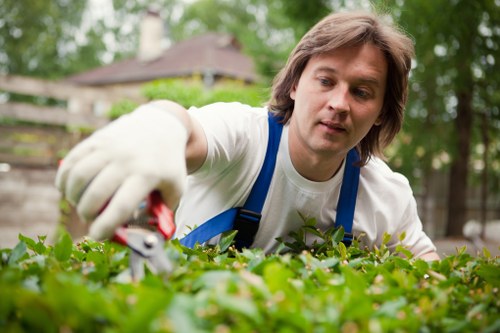
Not every property needs a full redesign. Many gardens benefit more from steady maintenance that keeps borders, lawns, hedges and general growth under control. Our landscaping work can sit alongside routine care where the aim is to keep the outdoor space tidy, usable and easy to manage. This is especially helpful where overgrowth, tired edges or uneven growth have started to spoil otherwise good features.
Related services such as garden maintenance, hedge trimming and lawn mowing are useful when you want a more regular approach rather than a one-off transformation. For customers who prefer a broader arrangement, gardening services and garden services give a wider view of the available outdoor care. These pages can help when you are deciding whether the job is mainly maintenance-led or whether it should be handled as a landscaping project with a stronger structural element.
Well-managed maintenance supports the look of the whole site. A clipped hedge can sharpen a boundary, a trimmed lawn can make paved areas feel more finished and selective cutting can reveal the shape of beds and paths again. Where the aim is simply to keep the current layout neat, ongoing care may be the most efficient option. If the space is becoming hard to manage, though, maintenance can also be the first step before a more substantial redesign.
Clearing, preparation and site tidy-up
Landscaping often begins with clearance. Before new surfaces, borders or features can be installed, the garden may need debris removed, old growth cut back and unwanted material taken away. A tidy start makes it easier to see the true shape of the space and reduces the risk of working around obstacles that should have been dealt with first. This stage is practical rather than decorative, but it can make a major difference to the quality of the final result.
For that reason, the garden clearance page is relevant where the site needs a reset before further landscaping takes place. If the work also involves removing rooted features or old tree material, pages such as stump removal and tree lopping and removal may be useful depending on the scope. Where the main concern is surface dirt on existing hard landscaping, the pressure washing page can help you compare cleaning-led work with full design and installation work.
Preparation is often underestimated because it does not look as dramatic as the finished patio, lawn or fence. In practice, though, it is what allows the later work to sit properly, drain sensibly and look neat over time. A careful clear-up can also reveal whether levels, access or drainage need attention before the main build starts. Better groundwork usually means fewer compromises later.
Price factors, access and how quotations are put together
Landscaping quotations are usually shaped by the work itself rather than by a fixed formula. The main factors tend to be the size of the area, the type of materials used, how much preparation is required and whether the job involves multiple stages. Access can matter too, particularly if materials need to be moved through tight side passages, around existing structures or across delicate parts of the garden. None of this needs to be complicated, but it does need to be clear.
For a straightforward enquiry, it helps to describe the current condition of the space, the features you want to keep and the main changes you want to make. If the project combines several parts, such as fencing, turf and paving, grouping the requirements together can make it easier to compare options and shape the work efficiently. The pricing and quotes page is useful if you want to understand the quotation process in more detail before getting in touch.
We aim to keep the enquiry process practical. A brief summary is usually enough to begin with, and it is often sensible to mention any access limits, surface concerns or features that need to stay in place. If you already have images or a rough sketch, they can help, but they are not the only way to start. What matters most is a clear description of the job, so the quote reflects the real scope rather than assumptions.
Materials, finish and the balance between style and use

The best landscaping projects balance appearance with function. Materials should complement the property, but they also need to suit the way the garden will be used. A family space, a quiet seating area and a practical access route may all need different treatments, even within the same garden. That is why the finish matters at every stage, from edge details and colour choices to how surfaces meet planting or boundary features.
For some properties, the right answer is a restrained layout with a simple lawn, defined borders and one strong paved feature. Others need a more layered look, with timber, stone, planting and structure working together. If you are comparing broader design-led options, pages such as landscapers and landscape gardeners can help you think about the level of work involved, while garden services remains useful where you want a wider view of outdoor care and improvement options.
Good finish work is often visible in the small details: consistent lines, sensible proportions, tidy transitions and surfaces that feel deliberate. These are the features that help a garden remain attractive after the initial work is complete. If you want a final result that feels settled rather than temporary, it is worth planning the finish as carefully as the main construction. Use the space well, then refine the details.
About London
London is a large and historically layered city on the River Thames, formed by centuries of change rather than a single period or plan. Its core grew from the Roman settlement of Londinium, and later development spread outward through the medieval city, the Georgian squares of the West End, the industrial and dockland districts to the east, and the suburban growth of the nineteenth and twentieth centuries. The river remains one of the city’s defining features, with bridges, embankments and riverside walks shaping both movement and identity. Many areas still preserve distinct characters: the formal terraces of Bloomsbury and Belgravia, the market streets of parts of the East End, the institutional landscape around Westminster, and the mixture of residential streets, parks and town centres across outer districts. London’s architecture is notably varied, ranging from surviving historic churches and civic buildings to Victorian railway stations, post-war estates and contemporary towers. Green spaces are also a major part of the city’s structure, with large royal parks such as Hyde Park, Regent’s Park and Richmond Park offering broad open ground amid dense development. Beyond the centre, commons, gardens, canals and linear parkland create quieter pockets that are important to daily life. Cultural institutions, theatres, museums and galleries are spread across multiple districts, while markets, local high streets and transport interchanges continue to anchor neighbourhood activity. The city’s scale means that no single description captures it fully; instead, London is best understood as a collection of overlapping places with long histories, changing uses and a strong sense of local distinction.
Make your landscaping plans straightforward
Whether the job is a full redesign or a smaller improvement to one part of the garden, the aim is the same: create an outdoor space that is easier to use and more satisfying to look at. Landscaping can bring together structure, planting, access and practical surfaces so that the garden feels like one coherent space rather than a patchwork of separate features. If you are weighing up where to begin, start with the element that causes the most inconvenience or has the biggest visual impact.
It is also worth deciding whether the work should be phased or completed as one coordinated project. Some customers only need one feature changed, while others want several improvements rolled together so the layout works properly from the outset. Get in touch for a quotation if you would like us to review the brief and discuss the most suitable way forward. If you are still comparing the options, you can also keep it simple and request a quote by outlining the space, the aim and the features you want included.
Tell us what needs changing, and we can help shape a practical landscaping plan around it. Request a quotation today when you are ready.